

Quick Answer
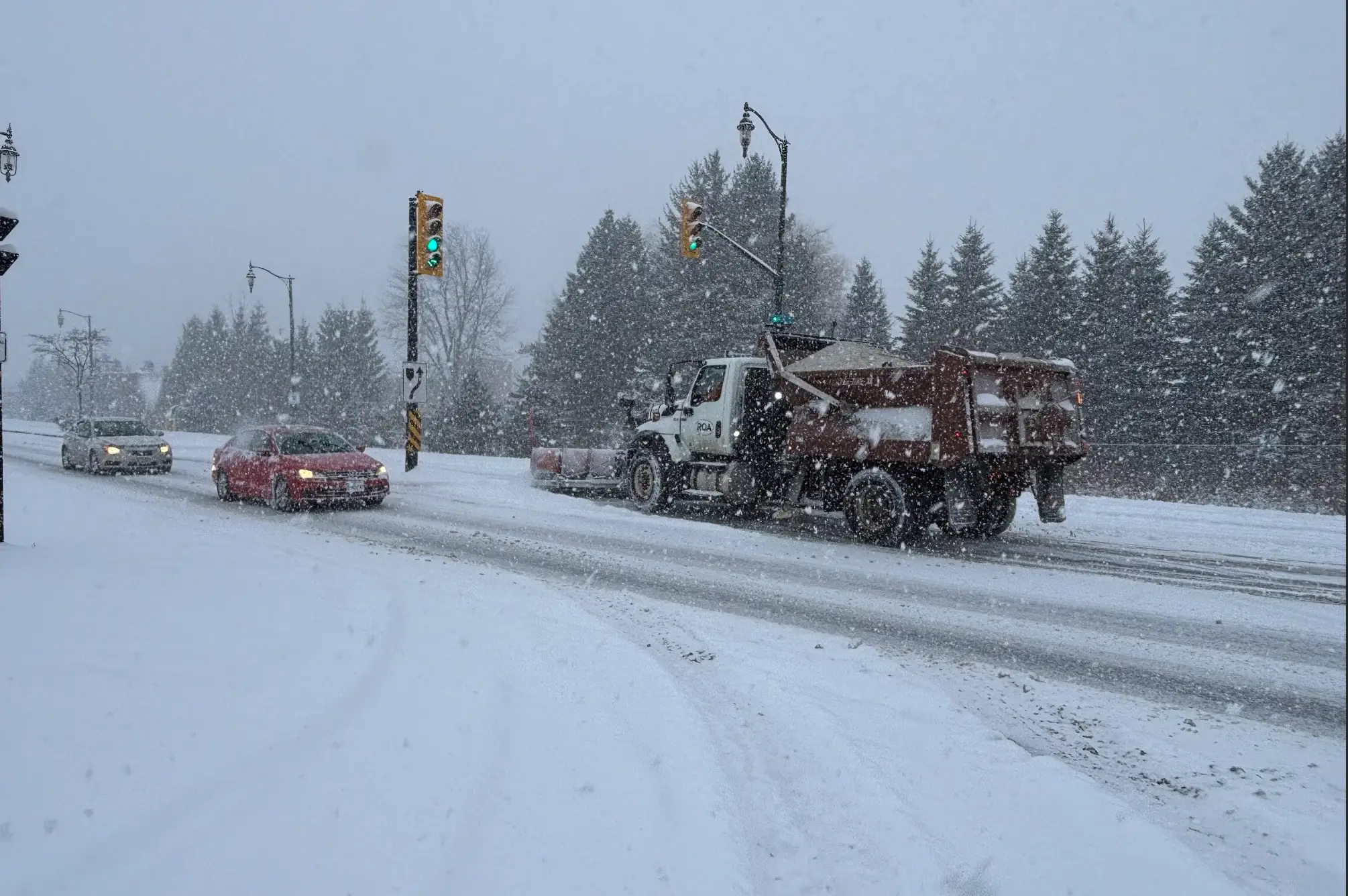
In Sarnia, the snow plow priority is: primary roads (major arteries), emergency & transit routes first, followed by residential side streets and sidewalks on designated routes. Plowing typically begins after significant snowfall or a “significant weather event” is declared by the city. According to city notices, clearing of sidewalks on designated primary routes starts after 8 cm or more of snow accumulation. (City of Sarnia)
Chart: Snow Removal Priorities & Trigger Levels
| Priority Level | Street / Area Type | Trigger / Notes |
|---|---|---|
| 1 | Main roads, highways in city, transit routes, emergency access | Always first after major snow / “significant weather event” |
| 2 | Secondary roads, collector streets, bus routes | After primary roads are under control |
| 3 | Residential side streets | Once higher priority routes are clear |
| 4 | Designated sidewalks on primary routes | Sidewalk clearing starts after ~8 cm snow on those routes |
Citation: Sarnia.ca “Snow and Ice Removal”
Why Main Roads Get Cleared First
The city needs to keep major corridors open for emergency vehicles, buses and general traffic. In a recent update the City of Sarnia stated that during a “significant weather event” plowing is prioritized on designated primary routes and then side-streets are addressed once those major routes are clear. This means if you live on a smaller residential street, it may take longer for plows to reach you.
How Much Snow Triggers Plowing & Sidewalk Clearing
According to Sarnia’s official snow and ice removal page, sidewalks on designated primary routes are cleared after 8 cm or more of accumulation, and the work is ‘generally complete within 48 hours’ on those routes. Similarly, when a special weather event is declared, the plow crews focus on priority roads first to maintain transit and emergency access.
Street Types & What Homeowners Should Know
- Priority roads: These include busy arterials, routes used by buses, and emergency access roads. Expect these to be cleared fastest.
- Collector/secondary roads: These are less busy, but still important for traffic flow. They typically get cleared right after primary routes.
- Residential side streets: These come later in the cycle — you should plan for possible delay if you live on a quiet street.
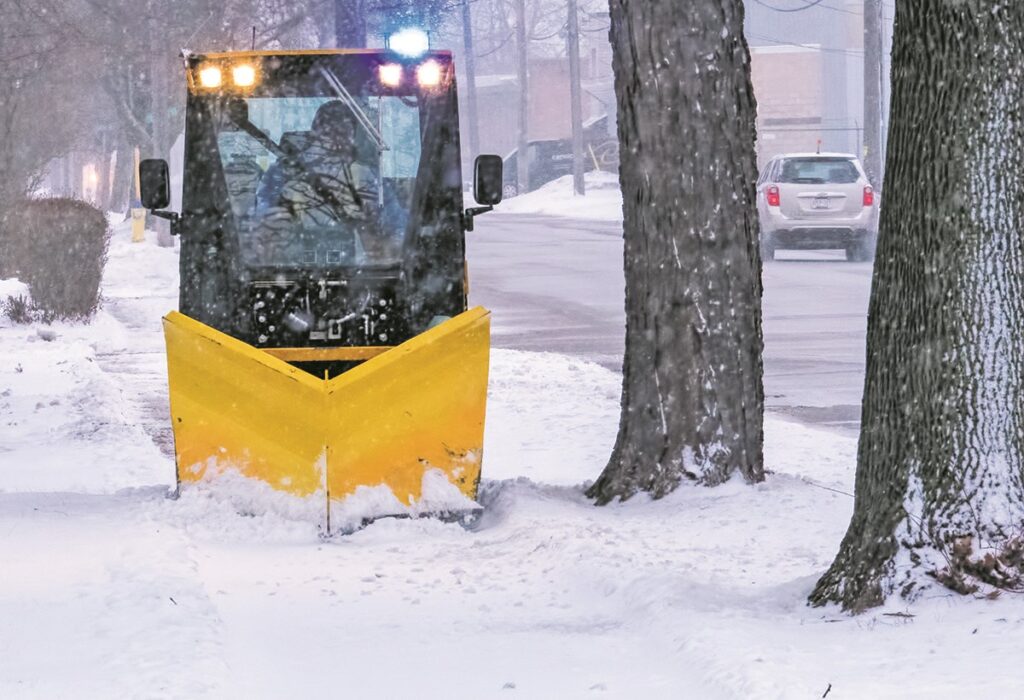
- Sidewalks on designated primary routes: These are cleared by the city once enough snow has fallen — other sidewalks may not be maintained by the city from November 1 to April 30.
What This Means for Homeowners & Service Providers
If you provide snow removal services or are a homeowner in Sarnia:
- Expect that plow trucks will hit the main roads first — plan your driveway or side-walk service accordingly.
- On smaller, quiet streets you may need to allow extra time before the city plow arrives — a local contractor may need to act sooner to keep access safe.
- If your contract or maintenance plan depends on the city clearing first, ask specifically if your property is on a “primary route” list or not.
- Make sure vehicles aren’t parked illegally during snow events — many plows require clear access and city by-laws support snow removal operations.
Final Word
In Sarnia, snow clearing follows a clear priority system: first the main roads, then collector streets, then residential. Sidewalks on designated routes are cleared after about 8 cm of snow or during major weather events. If you live on a smaller street, expect a delay — and plan your snow-removal strategy accordingly.