
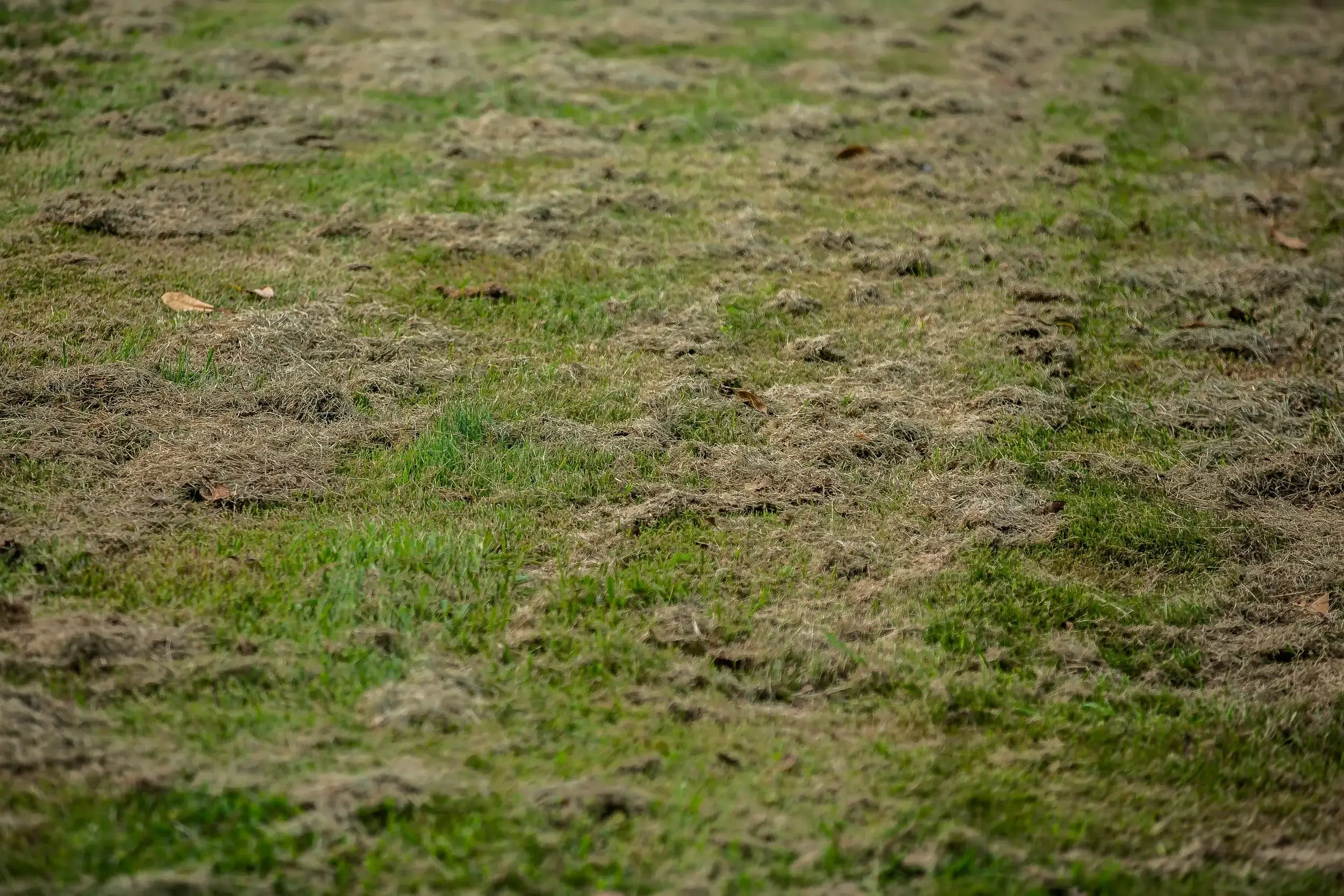

Every year, countless Ontario homeowners ask the same question: “Why does my lawn look thin and weak, even though I water and fertilize it?” The answer is often compacted soil. Over time, soil becomes dense and hard, preventing air, water, and nutrients from reaching the roots.
This is one of the most common lawn problems, and fortunately, it has a simple solution: lawn aeration.
The Problem: Soil Compaction
Compaction happens when soil particles are pressed tightly together. This is common in clay-heavy soils, high-traffic yards, and areas where kids or pets play. Even mowing with heavy equipment can compact soil over time.
Signs of compacted soil include:
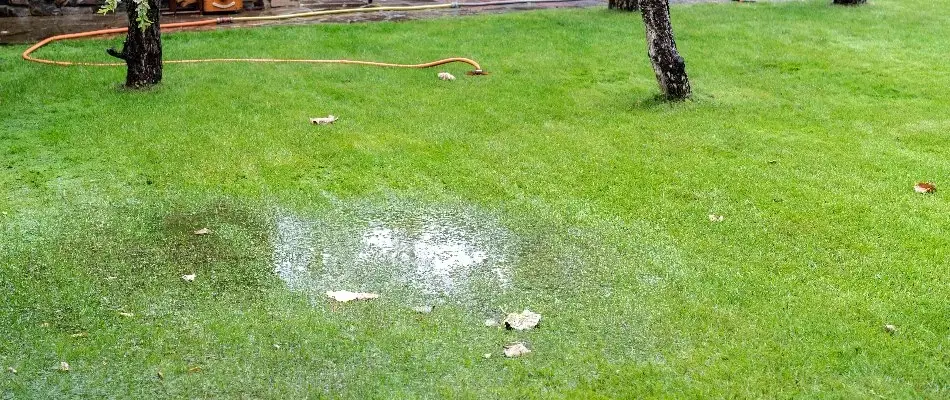
- Water pooling on the surface instead of soaking in
- Grass that grows thin, patchy, or yellow
- Roots that are shallow and weak
- Hard, dense soil that feels tough underfoot
If you’ve been fertilizing, watering, or even reseeding without seeing much improvement, compaction is likely the hidden reason.
The Solution: Lawn Aeration
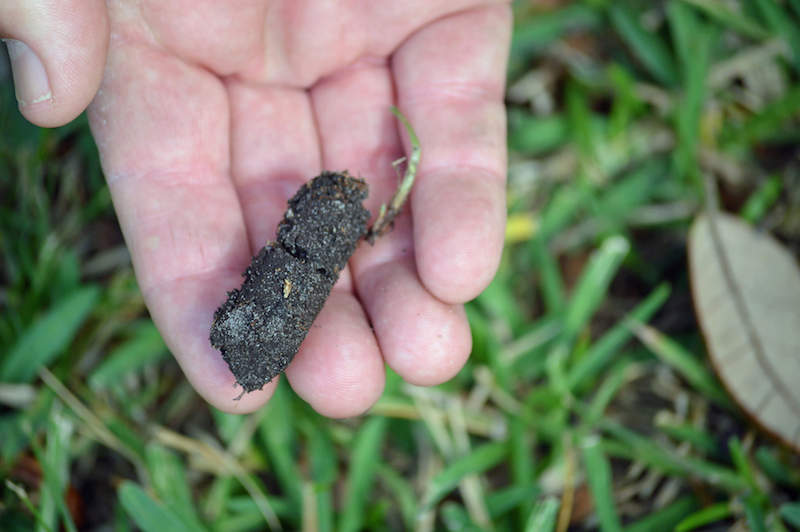
Aeration relieves compaction by pulling out small plugs of soil across your lawn. These tiny holes create pathways for air, water, and nutrients to penetrate deep into the root zone. Once the roots can breathe and absorb properly, the lawn begins to thicken and repair itself naturally.
Benefits of aeration include:
- Stronger root growth
- Thicker, greener grass
- Better water absorption (less runoff and pooling)
- Improved drought resistance
- A healthier foundation for overseeding and fertilizing
When to Aerate for Best Results
- Spring (April–May): Ideal for repairing winter damage and giving lawns a jumpstart.
- Fall (September–October): Perfect for breaking up compaction after a summer of heavy use and preparing grass for winter.
Compacted lawns may need annual aeration, while lighter-traffic yards may only need it every two years.
Why Aeration Works Better Than Fertilizer Alone
Many homeowners try to fix thin lawns with fertilizer, but if soil is compacted, nutrients can’t reach the roots. Fertilizer sits on the surface or washes away in the rain. Aeration opens the soil so that fertilizer, water, and even grass seed actually reach the root system and make a difference.
Think of aeration as unlocking your lawn’s ability to use the care you’re already giving it.
Final Word
If your lawn looks thin, patchy, and weak despite regular care, the real issue is likely compacted soil. The good news? Lawn aeration is a simple, effective solution that restores access to air, water, and nutrients.
Within weeks of aeration, most homeowners notice thicker, greener grass and a lawn that finally responds to the care put into it.